


The field of online education is undergoing a radical change. Though the creation and sale of online classes still exist, an entirely new, highly competitive, and well-developed marketplace of coaches, consultants, and educators has emerged.
Artificial Intelligence is providing easier access to the information found on the Internet, and because of this, not only is competition increasing between content creators, but learners are more selective about where to spend their time and money.
Therefore, simply creating a course and hoping people will purchase it no longer guarantees your success in this fast-changing environment.
As we enter 2026, the success of your future efforts is directly related not only to the quality of your curriculum, but critically to how you structure, deliver, and monetize your expertise. The right business model is crucial in determining whether your educational business generates inconsistent sales or consistently experiences predictable long-term growth.
Why Business Models Matter More in 2026
There are thousands of creators today who emphasize producing more content without taking the time to think through their overall money-making strategy, focusing instead on selling content to find ways to last long enough to make a sustainable income.
That said, the structure in which you're producing content will have a much larger impact on your ability to earn revenue than any piece of content you create.
There is an infinite amount of information available to all learners. Learners can use AI tools to help explain different concepts, summarise books, or answer entry-level questions instantly. Thus making the value of information alone less income-generating.
The most common things that learners want today are:
• Implementation,
• Accountability,
• Guidance,
• Community,
• Support,
• Measurable Outcome.
As many creators launch courses, coaching programs, and digital products, they are adding to the already significant number of people who can use the old classroom items they used to teach with. With a solid business model, a creator has the ability to stand out in a crowded marketplace by providing customers with a superior experience and having predictable revenues.
A good business model will help with:
• Profitability
• Customer Retention
• Scalability
• Operational Efficiency
• Long-term stability of the business.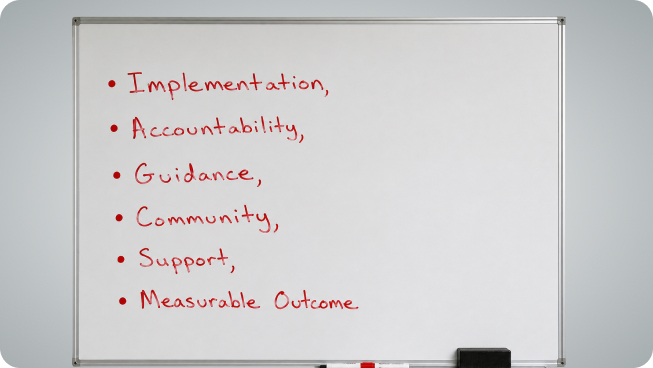
Membership Communities Are Winning
The membership community is one of the most effective business models for 2026. Instead of focusing on one-time purchases, creators build long-term relationships with their audiences by offering recurring memberships through monthly or annual subscriptions.
Benefits that members typically receive include:
- Access to exclusive educational content
- Opportunity to participate in community discussions
- Access to live Q&A sessions
- Networking opportunities with other members
- Access to resource libraries
- Access to accountability systems
- Ongoing support from both other members and the creator of the membership community
A key benefit of this model is the ability to have a predictable stream of repeated revenue. Traditional course sales tend to vary greatly from month to month, but memberships provide a steady stream of income, making it easier to plan and budget for expenses.
Communities especially provide one thing that AI cannot: human connection. Many learners struggle not because they do not know what to do, but because they do not have anyone to support them in achieving success; this is why a strong community enables members to stay motivated, find solutions to their problems, and keep making progress.
The membership community model is particularly successful for:
- Business coaches
- Leadership trainers
- Health & wellness specialists
- Professional educators
- Experts in niche industries
Community is becoming one of the most powerful competitive advantages as competition intensifies.

Cohort-Based Courses Continue to Grow
Cohort-Based Learning: A New Path to Success
The popularity of self-paced courses has not waned; however, cohort-based learning is experiencing exponential growth, offering students an entirely different experience from traditional education. Through this model of learning, students progress together through a program over a specific period, allowing them to learn, interact, and participate as a group, starting roughly around the same time. This structure creates an enriched, engaging learning environment.
Low completion rates in online education are a significant issue facing the field today. Students often buy a course with the best of intentions, but they frequently do not complete the course. Cohort-based education overcomes this barrier by fostering accountability and motivation through collaboration. Students feel motivated to learn with others who share similar ambitions, thereby increasing creators' engagement and improving the creators' outcomes. One of the principal reasons for the justification of premium prices for cohort programs versus traditional self-paced courses is the additional structure and the greater support provided with the cohort model.
The cohort model is especially beneficial for skill development programs, professional certification programs, career coaching, leadership training, and business education, where group dynamics and accountability can create a material positive impact on student outcomes. As we look to 2026, accountability and engagement are increasingly valuable competitive advantages in the learning arena.
Hybrid Models Combine the Best of Everything
Instead of focusing entirely on one type of educational product, many successful creators have begun developing hybrid business models that combine multiple educational experiences into a seamless ecosystem.
For example, many combinations of course and coaching, course and community, course and template, course and live workshop, membership and coaching, or community and digital products can help provide tremendous flexibility when serving different learner types.
By creating ways to serve different types of learners with diverse needs, hybrid models help creators generate multiple, synergistic sources of revenue within a single integrated business ecosystem.
For example, while some learners prefer self-paced content, others require direct support or accountability, along with access to valuable resources. Thus, a hybrid business model can accommodate all these learners and their needs, whether they want to purchase self-paced courses, coaching sessions, or a combination of both.
Because hybrid businesses offer increased value over time to each customer through opportunities for ongoing engagement across many different product offerings, they can help increase the lifetime value of each customer. As a result, it is likely that hybrid businesses will ultimately produce more revenue than traditional businesses, as they will entice customers to remain engaged with multiple products as their needs grow, rather than just making a single purchase and leaving.
Subscription Learning Businesses
The subscription-based education model, similar to many popular streaming services in 2026, allows students to access an entire library of educational materials for a single monthly or annual price, rather than paying for individual courses.
One advantage is that students have a low barrier to entry, extending the ability to access educational services, with opportunities for ongoing learning, and gaining access to a large number of topics from one source, while also giving creators a continued stream of income, reliable revenue projections, stronger relationships with customers, and opportunities for long-term expansion of their business.
For a subscription-based business model to succeed, its creators must provide consistent value. Instead of one-time course sales, individuals using a subscription will evaluate their membership monthly, making subscriber retention a key focus for creators. This means the creators must continually update content and improve educational resources, and provide reasons for individuals to continue participating in their offerings.
Further, the subscription model works particularly well for content creators who can deliver content regularly and support a changing educational market.

High-Ticket Coaching Ecosystems
Not every creator wants a large audience; some prefer working closely with fewer. High-Ticket Coaching Systems are exceptional at helping customers achieve substantial transformation via premium pricing models. When developing systems based on high-ticket coaching, the emphasis is less on volume and much more on transformational experiences and results achieved through a combination of coaching, strategy, implementation assistance/direct feedback/individualized action plans from the coaching client/individual providing support.
As this system focuses on providing high levels of personalized support for customers to receive the maximum benefit from their purchase, a high percentage of clients pay significantly more than they would pay for typical courses, and many executive coaches, consultants, and business mentors/advisors are experiencing business growth by implementing this model successfully.
The greatest business advantage of high-ticket coaching is revenue efficiency: to create an effective business model, a coach can serve fewer customers and still succeed. As your coaching clients continue to achieve their goals through the use of your coaching as a tool in their success, they will continue to generate testimonials, case studies, etc., which can enhance future offer results.
Although the high-ticket coaching system is not as scalable as digital products, it remains among the most successful and effective ways to monetize deep expertise in the marketplace and deliver transformational outcomes for those who receive the service.
Digital Product Ecosystems
In the creator business world, digital products such as templates, workbooks, playbooks, checklists, frameworks, AI prompt libraries, and spreadsheets or swipe files are becoming increasingly prevalent. They typically have low price points and are very easy to use. Digital products can serve three significant purposes: generate additional revenue streams, attract new customers who might be interested in purchasing higher-priced products in the future, and establish authority within a niche.
Many creators have found that they can leverage digital products to create gateways to other educational ecosystems. For example, a customer might buy a template today, sign up for a course next month, and ultimately join a coaching program. When used strategically as part of a holistic educational offering, entry-level digital products can function as very effective business development tools.
Typical Missteps in Business Models
As creators explore different types of business opportunities, they typically fall victim to a few similar missteps:
One Income Source
The majority of educators make a living solely from course sales, which makes them vulnerable to market shifts and cyclical activity because they don’t have a diversified income stream; earnings are more consistent when income streams are diversified.
Blind Copying of Influencers' Business Models
An influencer with one million followers could successfully implement their business model, while a creator with one thousand followers may not be able to use their model to implement and build a successful business, so it’s vitally important that creators consider their audience, strengths, and goals before making business decisions based on what other people in the industry are doing.
Trying to Build Too Much Complexity Too Soon
Many newcomers enter the online education space and try to offer memberships, courses, coaching, community, and newsletters simultaneously, which leaves many people feeling overwhelmed. The best course of action would typically be to start with one proven offer and grow from there.
Not Building a Recurring Revenue Stream
One-time-only sales are an important source of income, but building a recurring revenue stream creates long-term income stability for creators, and most creators undervalue the benefit of establishing an ongoing membership/subscription for their audience.
Creating Offers Before Validating Demand
Many creators spend a lot of time, money, and effort creating products for which there is no interest or demand. The best way to significantly reduce the risk of wasting time and resources is to test the market for demand before making any investment.

Conclusion
Coaches and Course Creators who are successful will leverage 2026 to develop new ways of doing business through their delivery channels. They will create client-centered delivery systems that focus on outcomes while providing quality service, developing long-term relationships with clients, and continuously adding value.
Membership communities create predictable, automatic revenue streams.
Cohort-based courses will increase client engagement and responsibility for their own success. Hybrid combinations of businesses will provide additional revenue possibilities. Subscription models provide stable income for your coaching business over an extended period. High-ticket coaching and digital products provide new avenues for growth.
There is no universal best model for every organization.
Developing a model should be determined by your unique skill set, target audience, available resources, and long-term goals.
Instead of focusing on what is currently trending, you should work towards building a sustainable business model that enables you to produce measurable results and provide a level of service to your audience that they deem exceptional for many years to come.