


Learning online has become really easy. There are thousands of courses available at your fingertips, covering all sorts of topics like marketing, design, leadership, and productivity. You can watch lectures from anywhere, finish quizzes in no time, and even get certificates without having to leave your house. This way, you can learn what you want, when you want, and still get recognized for it. It's a great way to gain new skills and knowledge, all from the comfort of your own home.
Even with all the new ways to learn, a lot of students still don't really get the skills they need or remember things for long. They go through the motions of a course, but when it's time to use what they learned, they're stuck. They take in all this information, but it doesn't actually change them or help them in any real way.
The problem is not a lack of educational content. The problem is that many learners mistake watching for learning, while many courses focus more on completion than practical results.
AI and Online Learning Make Information Easy to Consume
These days, technology is really changing how we learn things. With artificial intelligence tools, online platforms, and places where you can buy and sell educational stuff, it's easy to get started with learning something new right away.
This convenience has made learning faster, but it has also created a passive approach to education. Many students treat courses like entertainment content. They watch videos continuously without stopping to practice or reflect. Lessons become background noise instead of active training.
The increase in AI technology has made this problem even worse. With AI, students can quickly create summaries, answers, and assignments, which means some of them are more focused on just completing their work than really understanding what they're learning. This can lead to a lack of deep understanding of important concepts.
Basic information has become extremely easy to access. However, easy access does not automatically create real skills or competence.
Why Watching Lessons Does Not Create Real Learning
One of the biggest mistakes students make is assuming that understanding something temporarily means they have mastered it.
Learning something new can be a great feeling, especially when you're watching a lecture about things like communication, leadership, or coding. It's like everything clicks into place - the explanations are clear, the examples make sense, and the material feels familiar. You might even feel pretty confident during the lesson. But then, when you try to actually use the skill on your own, that's when reality sets in. A lot of students realize they're not as proficient as they thought they'd be. The truth is, real learning doesn't just happen by watching or listening - it requires action, it requires doing.
Students develop skills through practice, repetition, mistakes, and feedback. Passive observation alone is rarely enough to create lasting improvement.
For example, someone taking a public speaking course cannot become confident simply by watching presentations. They need to practice speaking, manage nervousness, organize ideas under pressure, and receive feedback from others.
The same principle applies to soft skills. The uploaded material explains that soft skills improve through practice and real-life application rather than theory alone.
Without action, information disappears quickly from memory.

The Gap Between Completing a Course and Using a Skill
Measuring success in education is often done by looking at things like how many people finish a course, get a certificate, or score well on quizzes. But the thing is, these numbers don't always show if someone has really learned something valuable. They're easy to measure, but they don't necessarily mean that learning has been meaningful or lasting.
A student can:
• finish every lesson,
• pass automated quizzes,
• memorize definitions,
• and still be unable to solve real problems.
This creates a dangerous illusion of progress.
Students often believe they are improving simply because they are consuming educational content. In reality, knowledge becomes valuable only when it changes behavior.
For example:
• a leadership course should improve decision-making,
• a writing course should improve communication clarity,
• a time-management course should improve productivity,
• and a sales course should improve conversations with customers.
If behavior does not change, the learning process remains incomplete.
The uploaded text emphasizes the importance of applying skills within 24 hours to improve retention and practical understanding. Immediate practice helps students transform ideas into habits instead of temporary memories.

Why Many Courses Overload Students With Information
Another major reason students fail to learn effectively is cognitive overload.
Many courses attempt to teach too much at once. Instead of focusing on one practical skill, they combine large amounts of theory, concepts, and frameworks into long training programs.
This overwhelms learners.
For example, a communication course may include:
• public speaking,
• negotiation,
• conflict resolution,
• leadership,
• emotional intelligence,
• body language,
• and presentation skills.
Although all these topics are useful, students often struggle to absorb them simultaneously. The brain processes information more effectively when learning is focused and specific.
The uploaded material explains that mini-courses work well because they focus on one challenge or behavior at a time.
Instead of trying to improve every aspect of communication, learners may focus only on giving clearer feedback or asking better questions during meetings.
Small improvements practiced consistently produce stronger long-term results than large amounts of theory consumed quickly.

Why Students Avoid Practice and Feedback
Learning can feel uncomfortable because improvement requires mistakes.
Lots of students like watching lessons because it feels safer to just sit back and learn. But when you actually try to use what you've learned in a real situation, it can be scary because you're not sure if you're doing it right. You might make mistakes and that can be uncomfortable. Plus, getting feedback from others can be tough to handle, it can be stressful and sometimes even discouraging.
So, what happens is that students tend to miss out on the most crucial part of the learning process, which is actually applying what they've learned.
For example, someone studying emotional intelligence may understand the theory perfectly, but still struggle to remain calm during difficult conversations.
Someone learning leadership may understand management concepts, but avoid giving direct feedback to team members.
The uploaded text highlights the importance of requesting feedback from others during skill development. Questions such as:
• “Was my explanation clear?”
• “Did I provide enough information?”
• “How could I improve this conversation?”
help learners identify weaknesses they may not notice independently.
Without feedback, students often repeat ineffective habits while believing they are improving.
What Effective Learning Actually Looks Like
Effective learning is active, focused, and repetitive.
Students learn more successfully when they:
• practice immediately,
• focus on one skill at a time,
• repeat behaviors consistently,
• apply knowledge in real situations,
• and measure practical improvement.
Real learning usually happens gradually rather than instantly.
For example, someone improving communication skills may begin by practicing only one behavior:
• summarizing client concerns clearly,
• avoiding interruptions,
• or writing more specific instructions.
Over time, repeated application transforms these actions into habits.
To really get better at something, it's a good idea to keep practicing one skill for a while, like a few weeks, before checking how you're doing. This is because if you want to see real improvement that lasts, you need to be consistent and keep at it, rather than just relying on feeling motivated.
Students who treat learning as active training instead of passive consumption are far more likely to develop lasting skills.
Common Mistakes Students Make While Taking Courses
Many learners unintentionally reduce their own progress through ineffective habits.
Common mistakes include:
• taking multiple courses simultaneously,
• watching videos without practicing,
• focusing only on certificates,
• avoiding reflection questions,
• expecting immediate transformation,
• and refusing constructive feedback.
The uploaded material warns that consuming information without action results in having knowledge but not real skills.
This distinction matters because practical competence cannot be developed through observation alone.
Students also often choose courses with vague promises such as:
• “become more confident,”
• “improve communication,”
• or “master leadership quickly.”
These broad goals make progress difficult to measure. Effective learning usually comes from specific objectives connected to real situations.
Conclusion
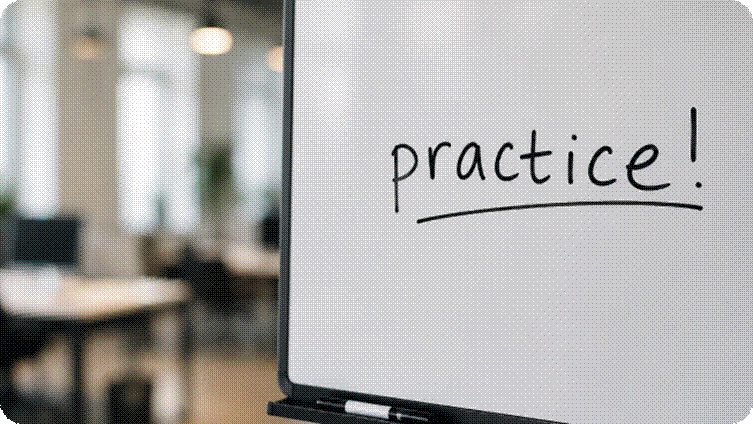
Students finish courses but learn nothing because modern education often prioritizes information consumption over practical application. Watching lessons, passing quizzes, and earning certificates may create the appearance of progress, but real learning only happens when knowledge changes behavior.
AI and online learning platforms have made information easier to access than ever before. However, access alone is not enough. Students still need repetition, feedback, practice, and real-world application to build lasting skills.
The most effective learners focus on one skill at a time, apply it quickly, and continue practicing consistently. Courses should not simply deliver information — they should help students create measurable improvement in their work, communication, and decision-making.
